
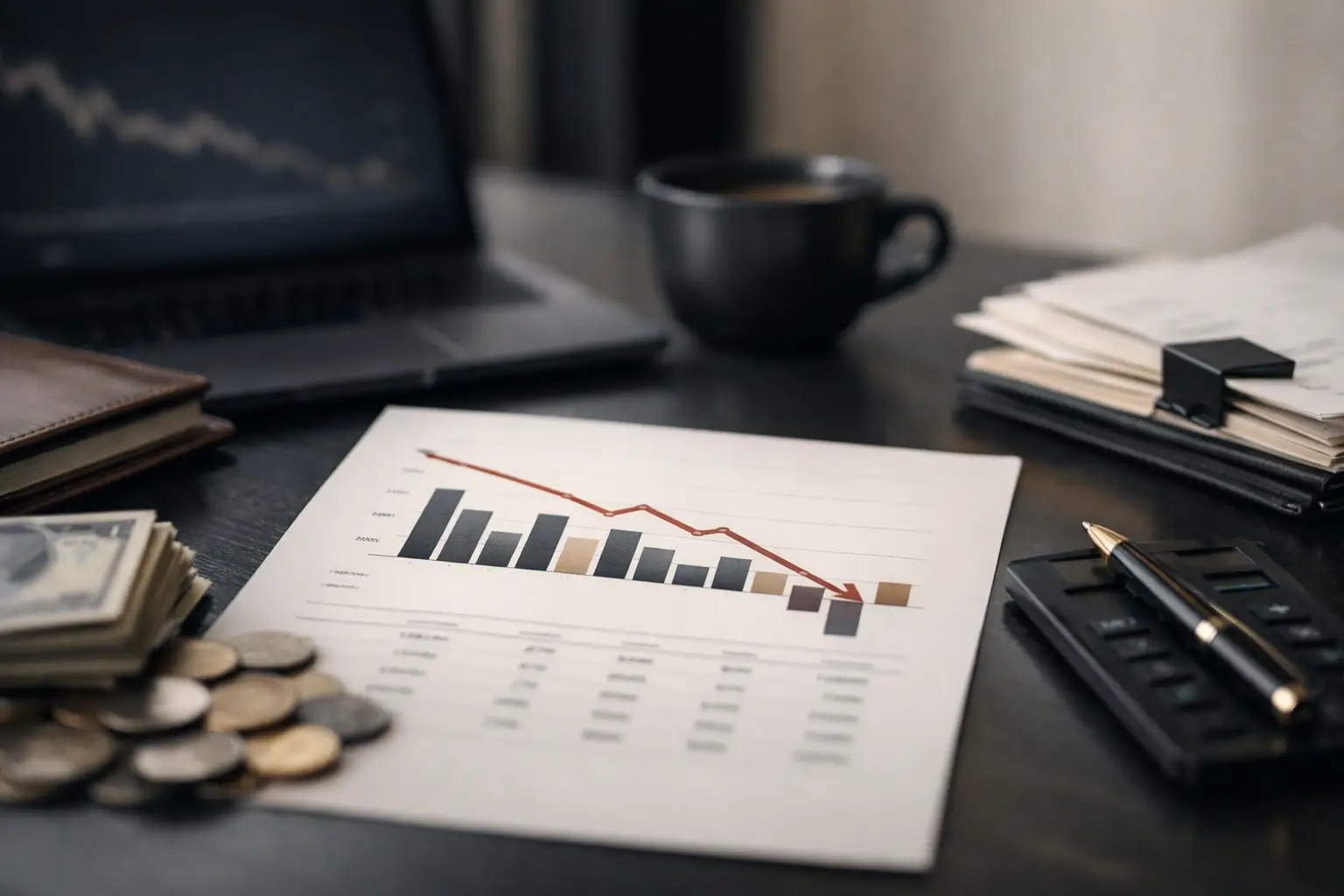
A busy month can still leave your bank account lower than it was at the start. You may have completed profitable jobs, sent invoices, and watched sales come in, yet payroll, suppliers, loan payments, and taxes have taken more cash out than the business received. If you are asking, “why is cash flow negative,” the answer is often timing – but it can also point to a pricing, collections, spending, or growth issue that deserves attention.
Negative cash flow is not automatically a sign that a business is failing. A growing contractor that buys equipment, a retailer building inventory before the holidays, or a professional firm waiting on several large client payments may have a temporary cash shortfall for understandable reasons. The concern is when the pattern continues without a clear plan to reverse it.
What Negative Cash Flow Actually Means
Cash flow measures money moving into and out of your business during a specific period. Cash flow is negative when total cash outflows exceed total cash inflows. Your bank balance may still be positive because you had cash on hand at the beginning of the month, but that balance will decline if the pattern continues.
This is different from profitability. Your profit and loss statement records revenue when it is earned and expenses when they are incurred, not necessarily when cash changes hands. For example, you can show a profit after completing a $20,000 project in March, but if the customer does not pay until May, that March profit does not pay March payroll.
A cash flow statement separates movement into three areas: operating activities, investing activities, and financing activities. For most small businesses, operating cash flow deserves the closest regular attention. It shows whether normal business operations are producing or consuming cash.
Why Is Cash Flow Negative When Sales Look Strong?
Strong sales do not guarantee available cash. Revenue on an invoice is not cash in the bank, and a sale made on credit can increase profit while leaving you short on funds today.
Customers are paying too slowly
Late payments are one of the most common causes of negative operating cash flow. A business may have healthy sales and a full schedule, but if invoices sit unpaid for 45, 60, or 90 days, it is effectively financing its customers’ operations.
Review your accounts receivable aging report. It groups unpaid invoices by how long they have been outstanding. Look beyond the total amount due. A growing balance in the 60- and 90-day columns signals a collections problem, even if the total sales number looks encouraging.
For some businesses, the fix is practical: send invoices immediately, require deposits before work begins, state payment terms clearly, and follow up before an invoice becomes overdue. For recurring clients, automatic payments or card-on-file arrangements can make collections more consistent. The right approach depends on your industry and customer relationships, but waiting indefinitely for payment is rarely a sustainable policy.
Expenses are paid before revenue is collected
Many small businesses must pay employees, subcontractors, rent, materials, insurance, and software subscriptions well before a customer pays. This gap is especially common for construction, event-based businesses, wholesalers, and service firms with larger projects.
The issue may not be that expenses are excessive. It may be that your payment schedule and billing terms are out of alignment. A project that requires substantial upfront labor and materials should usually include an upfront deposit or progress billing. Otherwise, you may need to fund the work from existing cash or a line of credit.
Inventory is absorbing cash
Inventory is an asset on your balance sheet, but buying it still uses cash. A retailer, restaurant, or product-based business can be profitable on paper while cash is tied up in slow-moving items, excess seasonal stock, or purchases made too far ahead of demand.
Compare inventory purchases with actual sales and turnover. If stock is sitting longer than expected, discounting, supplier negotiations, smaller and more frequent orders, or a tighter purchasing plan may help. Cutting inventory too aggressively, however, can lead to stockouts and lost sales. The goal is not the smallest possible inventory balance. It is the right level for your sales cycle.
Payroll and overhead have grown ahead of capacity
Adding employees, expanding hours, leasing more space, or taking on new software costs can be necessary for growth. But fixed costs create pressure every month, whether sales arrive as planned or not. If revenue is seasonal or unpredictable, overhead that seemed manageable during a strong quarter can create a negative cash position during a slower period.
This does not always mean you should cut staff or stop investing. It means you need a realistic cash forecast that tests whether the business can carry those costs through slower weeks and delayed customer payments.
Other Reasons Cash Flow Can Be Negative
Not all negative cash flow comes from normal operations. Looking at the type of cash outflow helps you decide whether the situation is expected or urgent.
A large equipment purchase can make total cash flow negative even when day-to-day operations are healthy. Buying a vehicle, upgrading kitchen equipment, or investing in technology reduces cash now but may support future revenue or efficiency. That is investing cash flow, and it should be planned rather than treated as a surprise.
Debt principal payments also reduce cash, even though only interest appears as an expense on the profit and loss statement. The same is true for owner draws, income tax payments, sales tax remittances, and catching up on old bills. These transactions can materially affect the bank balance without showing up as ordinary operating expenses in the current month.
For that reason, relying only on your profit and loss statement can create a false sense of security. Review it alongside a balance sheet, accounts receivable aging, accounts payable aging, and a cash flow forecast. Together, these reports show what you earned, what you owe, what others owe you, and what cash is likely to do next.
How to Find the Cause in Your Numbers
Start by comparing your beginning and ending cash balances for the last three months. Then identify the largest changes, not every minor transaction. Did customer receipts fall? Did payroll rise? Did you make a large inventory, tax, debt, or equipment payment?
Next, compare revenue with actual customer collections. If sales increased but collections did not, receivables are likely consuming cash. Compare expenses with the prior period as well, especially payroll, contractor costs, inventory, rent, merchant fees, and recurring subscriptions. A gradual increase in several categories can become significant before it is obvious.
Finally, look ahead rather than only backward. List expected cash receipts and required payments by week for the next 8 to 13 weeks. Include payroll dates, rent, loan payments, taxes, supplier bills, and owner draws. A short forecast gives you time to follow up on invoices, delay a nonessential purchase, adjust purchasing, or arrange financing before a cash shortage becomes an emergency.
Practical Steps to Improve Cash Flow
The best response depends on the cause. If slow collections are the issue, focus on billing and follow-up. If margins are too thin, review pricing, job costs, and discounting. If a large planned purchase created the shortfall, determine whether cash reserves, financing, or a delayed purchase is the most appropriate choice.
There are several actions that help many small businesses:
- Invoice promptly and follow a consistent collection schedule.
- Use deposits, milestone billing, or shorter payment terms when your work requires upfront costs.
- Separate tax money from operating cash so required payments do not become a surprise.
- Review recurring expenses and eliminate costs that no longer support operations.
- Build a cash reserve gradually, with a target based on the stability and seasonality of your business.
- Set a regular schedule to review your financial reports, not just your bank balance.
Be careful with quick fixes. Delaying vendor payments can preserve cash briefly but may damage supplier relationships or lead to shortages. Borrowing can bridge a predictable timing gap, but debt payments add future cash obligations. Reducing payroll may lower expenses, but it can also limit your ability to serve customers. Each decision should be tied to a clear view of the underlying problem.
When Negative Cash Flow Needs Immediate Attention
A single negative month tied to a planned investment or seasonal cycle may be manageable. Repeated negative operating cash flow is more serious, particularly when you are using personal funds, paying bills late, carrying growing credit card balances, or postponing payroll or tax obligations.
It is also time to act quickly if you cannot explain the gap between reported profit and the bank balance. Unreconciled accounts, missing transactions, incorrectly recorded loan activity, and outdated books can make it impossible to see the real issue. Clean, current bookkeeping is not merely an administrative task. It is the foundation for making sound decisions before cash gets tight.
A clear monthly reporting process can turn a stressful bank-balance question into a manageable business decision. With accurate books, a practical forecast, and consistent review, you can see pressure building early and choose your next step with more confidence. That is the kind of financial visibility BalanceKeep helps small business owners maintain as they run and grow their businesses.
Leave a Reply