


Running a small business in New England comes with enough responsibility already. You have customers to serve, employees or subcontractors to manage, bills to pay, jobs to finish, and decisions to make every week.
Taxes can easily get pushed to the side until something feels urgent.
But here is the truth: tax stress usually does not come from one big mistake. It often comes from small things that were not tracked, reviewed, filed, or fixed along the way.
For business owners, the goal is not to memorize every tax rule. The goal is to stay organized enough that you are not surprised later.
Tax planning works best before there is a problem, not after a notice shows up.
New England business owners have to be careful because each state has its own rules, systems, and filing requirements. A business in Massachusetts may have different responsibilities than a business in Connecticut, Rhode Island, New Hampshire, Vermont, or Maine.
That matters even more if you work across state lines, have employees, collect sales tax, use subcontractors, or operate in an industry with special rules.
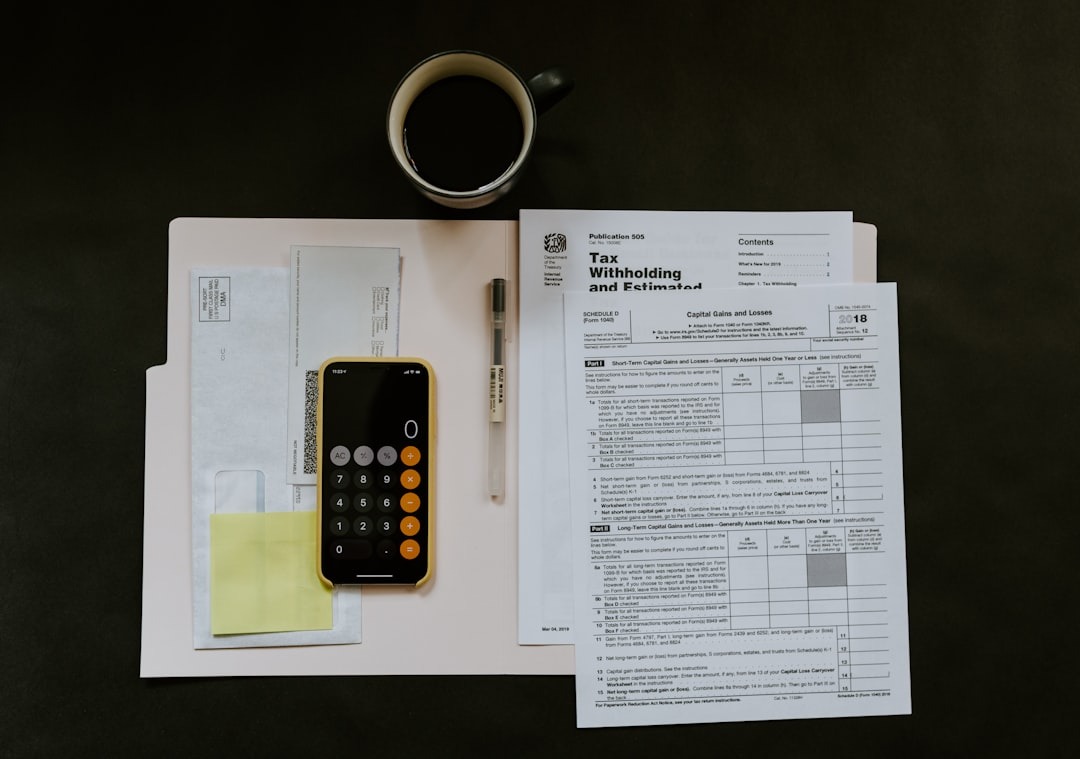
Here are a few areas every business owner should keep an eye on.
Know Where Your Business Is Registered
Forming an LLC is not always the same thing as being fully set up for taxes.
You may still need to register for certain tax accounts depending on your business, your state, your services, and whether you have employees. This can include sales tax, payroll withholding, unemployment, meals tax, business taxes, or other state requirements.
This is where many small business owners get tripped up. They start the business, get busy, and assume everything is handled. Then months later, a notice shows up because an account was never opened or a filing was missed.
- A simple registration review can save a lot of stress later.
- Separate Sales Tax From Income
- Sales tax and income tax are not the same thing.
Income tax is based on your profit. Sales tax is money you may collect from customers and later pay to the state. If you collect sales tax, that money should not be treated like regular business income.
When sales tax is mixed into your income, your numbers can look better than they really are. That can lead to bad decisions because you may think you have more money available than you actually do.
Clean bookkeeping helps separate what belongs to the business from what needs to be paid out.
Watch Payroll Taxes Closely
Payroll taxes are one area where business owners cannot afford to guess.
If you have employees, you need to make sure wages, tax withholdings, unemployment, payroll filings, and payments are being handled correctly. Even if you use payroll software, someone still needs to make sure the setup is right and payments are going to the correct accounts.
This matters because payroll mistakes can turn into penalties, notices, and cash flow problems.
Good bookkeeping helps catch payroll issues before they become bigger problems.
Keep Clean Records All Year
Tax time should not be the first time you look closely at your numbers.
Your books should be updated throughout the year so you can track income, expenses, payroll, subcontractors, owner draws, loan payments, equipment purchases, and other key activity.
Clean records make tax preparation easier, but they also help you run your business better.
They help you answer questions like:
Are we actually profitable?
Are expenses getting too high?
Do we have enough cash for taxes?
Are we paying ourselves correctly?
Can we afford to hire, buy equipment, or take on more work?
Are we behind on anything that could turn into a problem?
When your books are clean, you can stop guessing and start making decisions based on real numbers.
Do Not Ignore Tax Notices
A tax notice does not always mean something terrible happened.
Sometimes it is a missing filing. Sometimes a payment was posted to the wrong account. Sometimes the state is asking for clarification. Sometimes a payroll or sales tax account was not set up correctly.
The biggest mistake is ignoring it.
If you receive a notice, open it right away, read what it says, and respond before the deadline. The sooner you deal with it, the easier it usually is to fix.
This is another reason why organized records matter. When your books are clean, it is easier to understand what happened and respond with confidence.
Plan Ahead Instead of Reacting
The best tax strategy is not scrambling at the end of the year.
It is staying organized month by month.
When your books are up to date, you can estimate profit, prepare for taxes, review cash flow, and make better decisions before year-end. You can also have a better conversation with your tax preparer because your numbers are cleaner and easier to understand.
This is where bookkeeping becomes more than data entry.
It becomes part of how you protect your business.
The Bottom Line
New England tax rules can feel overwhelming, especially when you are trying to run the business at the same time. But things become much easier when your books are clean, your records are organized, and your tax responsibilities are reviewed throughout the year.
You do not need to know every rule by memory.
But you do need to know where your money is going, what taxes may apply, and whether your business is staying on track.
At BalanceKeep Bookkeeping & Financial Services, we help small business owners keep clean books, understand their numbers, and stay better prepared throughout the year.
If your books are behind, unclear, or causing tax-time stress, it may be time for a bookkeeping review.
Ready to get organized before tax time?
Contact BalanceKeep Bookkeeping & Financial Services to schedule a bookkeeping review.
Leave a Reply